Can I Ride a 125cc on a Car Licence? (UK)
Can I ride a 125cc on a car licence in the UK? Yes — if you hold a full UK car driving licence, you can ride a motorcycle or scooter up to 125cc, but only after completing Compulsory Basic Training (CBT). Until you pass your full motorcycle test, you must display L plates, stay off motorways and never carry a pillion passenger. This guide explains the exact rules, how to book CBT, how long your certificate lasts, the pre-2001 exception and the A1 licence route if you want to ditch the L plates.
The Short Answer: Yes, With CBT
If you have a full UK car licence, you can ride a 125cc motorcycle or scooter on public roads once you have completed Compulsory Basic Training (CBT) and hold a valid CBT certificate (DL196). You do not need to take a separate motorcycle theory or practical test first, and you do not need to apply for a provisional licence — your full car licence already gives you provisional entitlement for motorcycles.
The minimum age to ride a 125cc is 17. A 125cc falls into the A1 “light motorcycle” category: up to 125cc with a power output of no more than 11kW. Until you pass your A1 test, you ride under learner conditions — L plates front and rear, no motorways, no pillion passengers.
Quick summary:
- Full car licence + valid CBT certificate = ride up to 125cc
- Minimum age 17 for a 125cc
- L plates (D plates in Wales) on front and rear
- No motorways and no pillion passengers
- CBT certificate lasts 2 years
What Is CBT and Why Do You Need It
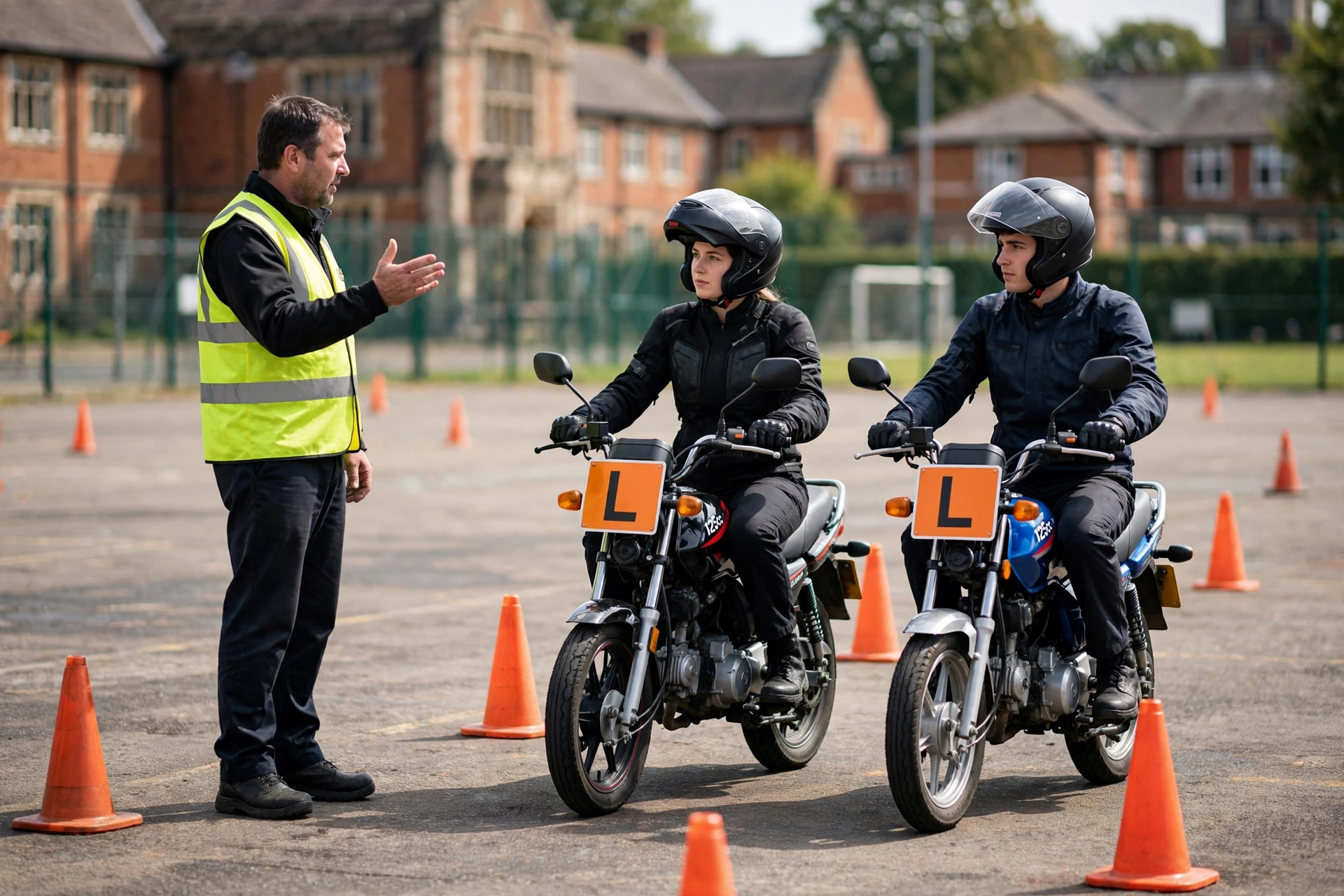
Compulsory Basic Training (CBT) is a one-day training course that makes sure you can ride safely on your own while you practise on the road. It is not a test — you cannot “fail” it in the usual sense, although the instructor can ask you to come back for extra training if you are not yet up to a safe standard.
The course covers five elements:
- Introduction — eyesight check, aims of the course and the right kit
- Practical on-site training — learning the controls, moving the bike and basic checks
- Practical on-site riding — riding in straight lines, slow control, figure of eight, U-turn and emergency stop
- On-road training — classroom session on traffic awareness and positioning
- On-road riding — at least 2 hours riding in traffic with your instructor
Once you complete all five elements to a satisfactory standard, you receive a CBT certificate (DL196). GOV.UK confirms that once you have done CBT, you have 2 years to pass your theory and motorcycle tests, or you will have to do CBT again.
How to Book Your CBT
Booking CBT is straightforward:
- Check you are eligible — you need a valid full car licence (or a provisional driving licence) and you must be at least 17 for a 125cc. If you only hold a provisional licence, you will need to apply for a provisional driving licence before booking.
- Find an approved training body (ATB) — use GOV.UK’s official finder (https://www.gov.uk/find-motorcycle-training).
- Book directly with the school — the school sets the price, which usually ranges from around £120 to £200 depending on your area and whether you use their bike and gear.
- Turn up ready — the school provides the bike, helmet and protective kit, but bring your driving licence, sturdy clothing and suitable footwear. Reading the Highway Code beforehand helps a lot.
Most courses take a full day (around 6–8 hours). Some schools split it over two sessions. Prices vary between schools, so compare a couple before booking.
The Rules When Riding a 125cc on Your Car Licence
Riding a 125cc on your car licence is not the same as riding on a full motorcycle licence. Until you pass your A1 test, you ride as a learner, and these restrictions apply:
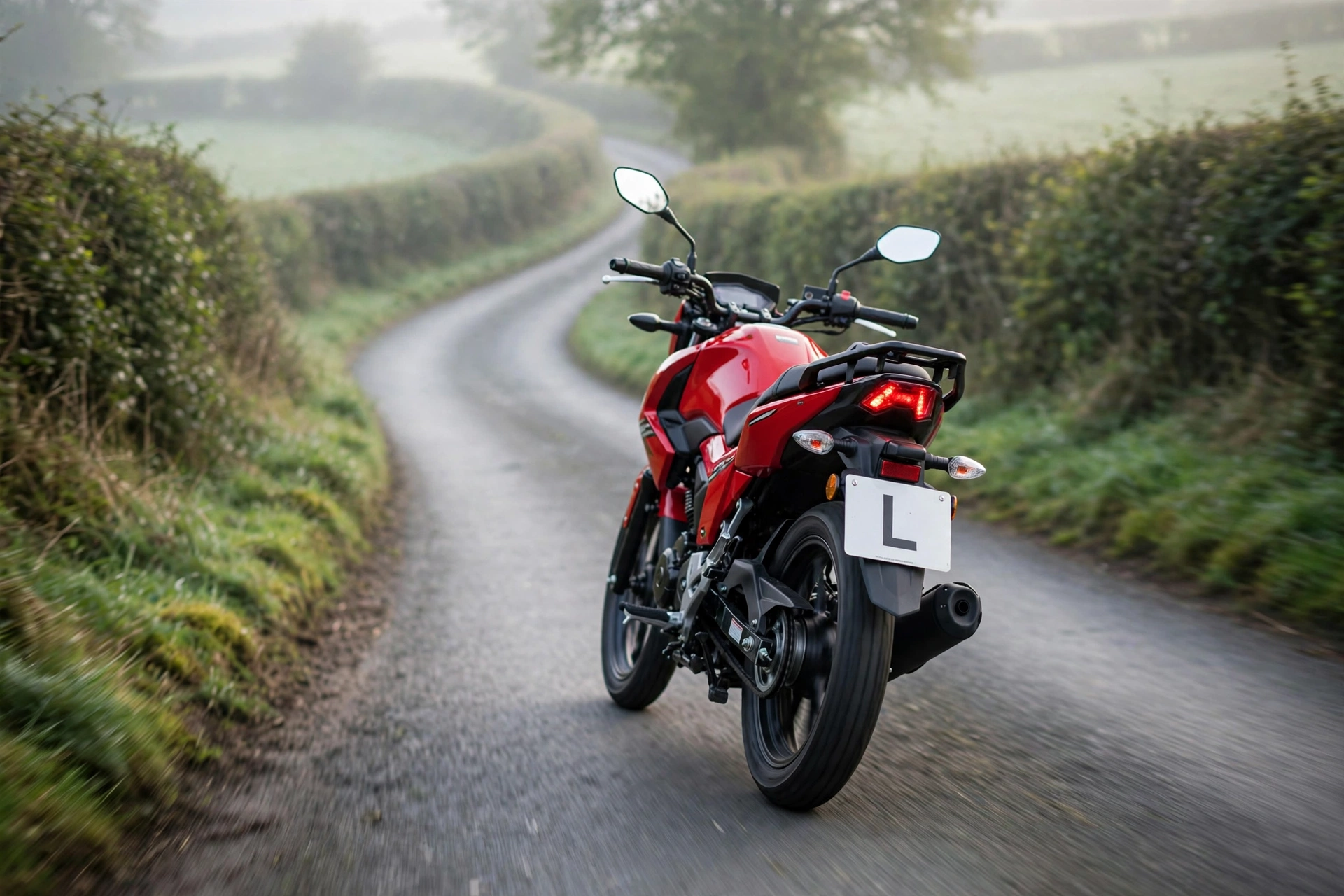
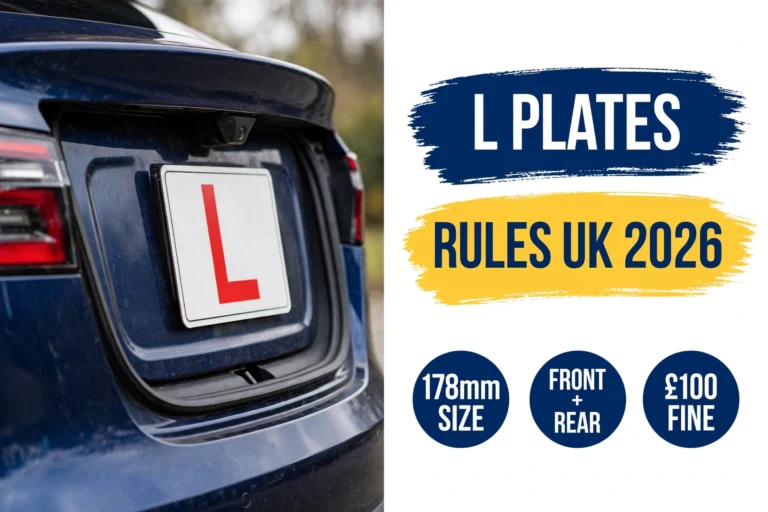
- L plates: you must display L plates (D plates in Wales) on the front and rear of the bike at all times. (See the L plates rules in the UK.)
- No motorways: learner riders are not allowed on motorways — plan your routes on A and B roads instead.
- No pillion passengers: you may not carry a passenger under any circumstances while riding on CBT.
- No supervision needed: unlike a learner car driver, you ride solo — there is no supervisor on the bike with you.
- Helmet: you must wear a helmet that meets UK safety standards.
- Road-legal bike: the 125cc must be taxed, have a valid MOT if it is over 3 years old, and be covered by at least third-party insurance in your name.
Breaking these rules is a serious matter — riding without a valid CBT or carrying a passenger as a learner can mean a fine and penalty points on your driving licence.
CBT Certificate Validity: 2 Years
Your CBT certificate (DL196) is valid for 2 years from the date you complete the course. Within those 2 years you must pass both your motorcycle theory test and your practical motorcycle test, or the certificate expires and you have to do CBT all over again.
Many riders who are happy on a 125cc and have no interest in bigger bikes simply renew their CBT every 2 years. That is perfectly legal — as long as you hold a valid CBT certificate, you can keep riding your 125cc with L plates indefinitely. But remember: each renewal costs the full course fee again (typically £120–£200), so if you plan to ride long term, passing your A1 test may work out cheaper and removes the L-plate restrictions.
Passed Your Car Test Before 1 February 2001? Read This
There is one important exception. GOV.UK confirms that if you passed your car driving test before 1 February 2001, you do not need to take CBT to ride a moped (up to 50cc).
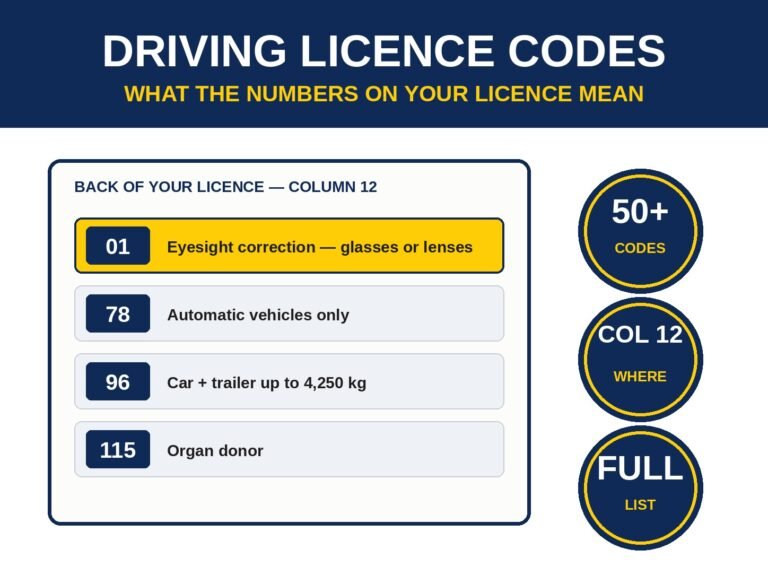
However — and this catches many people out — this exception does not extend to a 125cc motorcycle. A 125cc is a motorbike, not a moped, so you will still need to complete CBT to ride it, even with a pre-2001 car licence. The pre-2001 exception only covers category P (moped) entitlement. Everything about your DVLA entitlements is recorded by the DVLA — check the back of your photocard if you are unsure what categories you hold.
The A1 Licence Route: Ride Without L Plates
If you want to ride a 125cc without L plates, carry a passenger and drop the CBT time limit, you need a category A1 (light motorcycle) licence. You must be at least 17. The steps are:
- Complete CBT (you will already have it)
- Pass the motorcycle theory test
- Pass module 1 (off-road manoeuvres) and module 2 (on-road riding) of the motorcycle practical test on a 125cc bike
An A1 licence lets you ride any bike up to 125cc and 11kW without L plates, carry a pillion passenger and use motorways. It also unlocks progressive access: after 2 years on an A1 licence you can upgrade to A2 (up to 35kW) by passing another practical test — no theory test retake needed. Full details of the categories and tests are on GOV.UK (https://www.gov.uk/ride-motorcycle-moped).
50cc vs 125cc: What’s the Difference
It is easy to confuse the two, so here is the key distinction:
| 50cc Moped | 125cc Motorcycle | |
|---|---|---|
| Minimum age | 16 | 17 |
| Licence category | AM | A1 (as a full licence) |
| Top speed | ~28–31 mph | 60–75 mph |
| CBT needed | Yes (unless pre-2001 car pass) | Yes |
| L plates on CBT | Yes | Yes |
| Motorway/pillion | No | No |
The 50cc is a town runaround with a top speed around 28–31 mph. The 125cc is a proper motorcycle — capable of national speed limits and much more practical for commuting — which is why it is the more popular choice for car licence holders.
Conclusion
So, can you ride a 125cc on a car licence? Yes — a full UK car licence plus a valid CBT certificate lets you ride a motorcycle or scooter up to 125cc with L plates, provided you are at least 17. You must stay off motorways, never carry a pillion passenger and renew your CBT every 2 years unless you pass your full test. If you passed your car test before 1 February 2001, you can ride a 50cc moped without CBT — but that exception does not cover a 125cc. For most riders, the A1 licence route is the smart upgrade: no L plates, no time limit and the freedom to carry a passenger. Whatever route you choose, start with CBT booked through an approved training school and check the official rules on GOV.UK before you ride.
One Comment