Who Can Supervise a Learner Driver in the UK? Rules Explained (2026)
If you’re wondering who can supervise a learner driver in the UK, the short answer is: any driver who is at least 21 years old, has held a full driving licence for at least three years, and is qualified to drive the type of car being used. This usually means a parent, family member, or friend — but every single requirement must be met, because supervising a learner is a legal responsibility, not just a favour.
Getting it wrong has real consequences. A learner caught driving without proper supervision can be fined up to £1,000 and given up to six penalty points — before they’ve even passed their test. This guide covers exactly who is allowed to supervise, the insurance rules, what the supervisor must (and must not) do, and how to make private practice count.
The learner must hold a valid provisional driving licence before any of this applies.
Who Can Supervise a Learner Driver in the UK? The Legal Requirements
The DVSA sets four conditions, and the supervisor must meet all of them:
- Be at least 21 years old. There is no upper age limit in law.
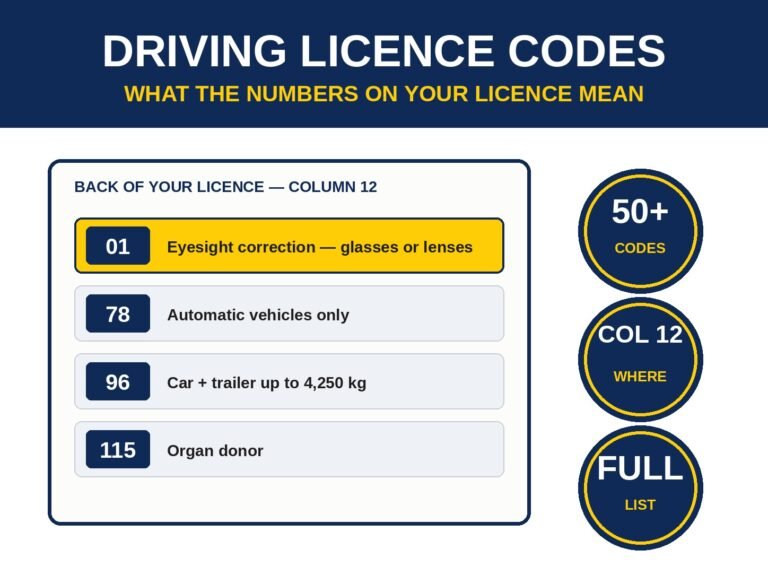
- Be qualified to drive the type of vehicle. If the learner is in a manual car, the supervisor must hold a full manual licence — an automatic-only licence does not qualify.
- Have held a full driving licence for at least three years. The licence can be from the UK, the EU, Switzerland, Norway, Iceland, or Liechtenstein.
- Not be currently banned from driving.
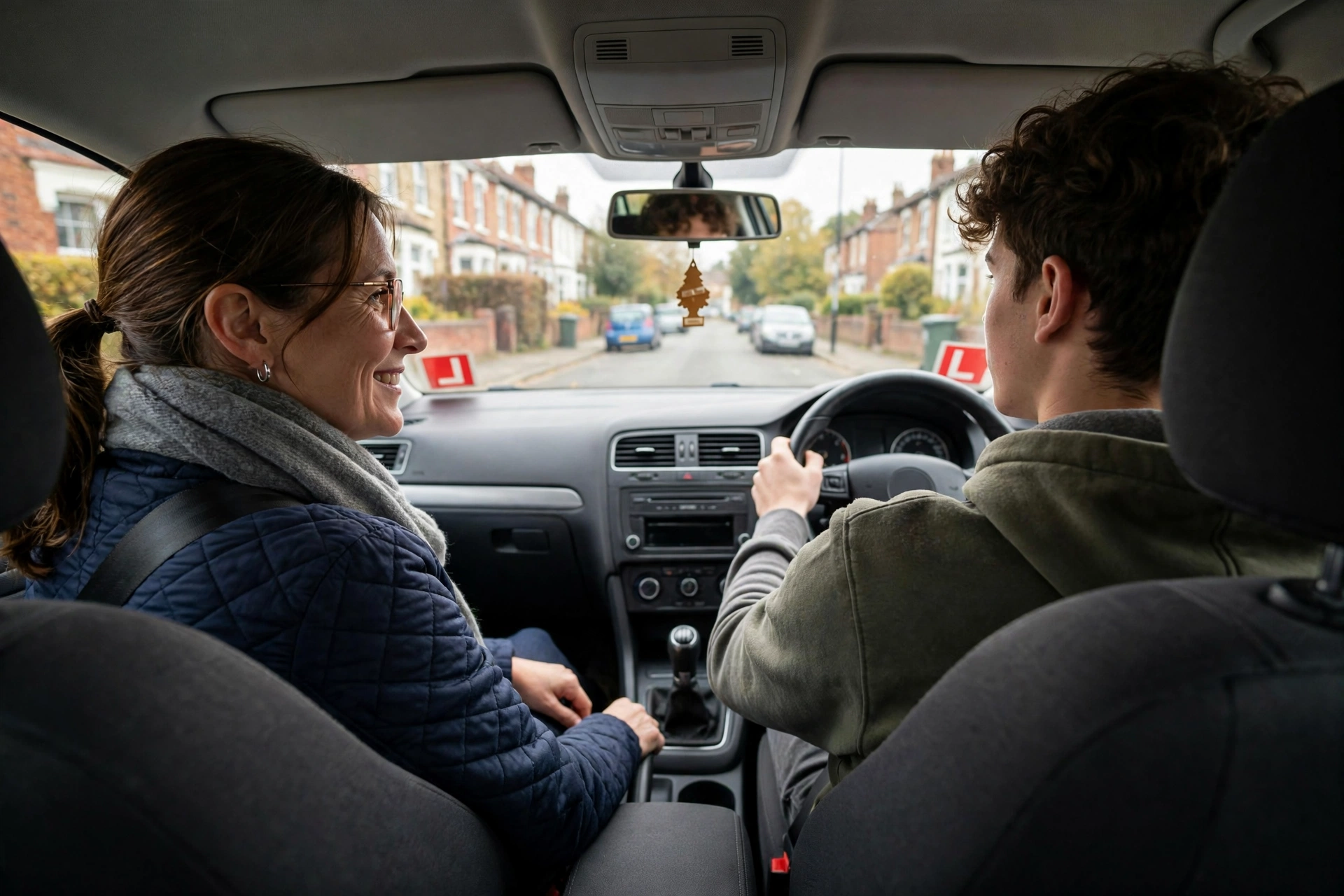
The car itself must also be legal: it needs L plates (or D plates in Wales) on the front and rear, it must be taxed, have a valid MOT if required, and be insured for the learner to drive.
See the official DVSA guide to supervising a learner driver for the full rules.
What the Supervisor Must Do During Practice Sessions
Supervising is not just sitting there. During every practice session the supervisor:
- Must not hold or use a mobile phone, tablet, or sat nav — not for calls, texts, photos, or apps. The same concentration is expected as if they were driving.
- Must not take the learner on a motorway. Learners may only drive on motorways with an approved driving instructor (ADI) in a dual-control car — never with a parent or friend, no matter how experienced.
- Is treated as being in charge of the vehicle. That means drink-drive limits and other road laws apply to the supervisor too, not just the learner.
An extra interior mirror for the supervisor is strongly recommended (and it is compulsory if the learner later uses their own car for the practical test).
Insurance Rules for Supervising a Learner Driver
Insurance is where most families get tripped up. The rules depend on whose car is used:
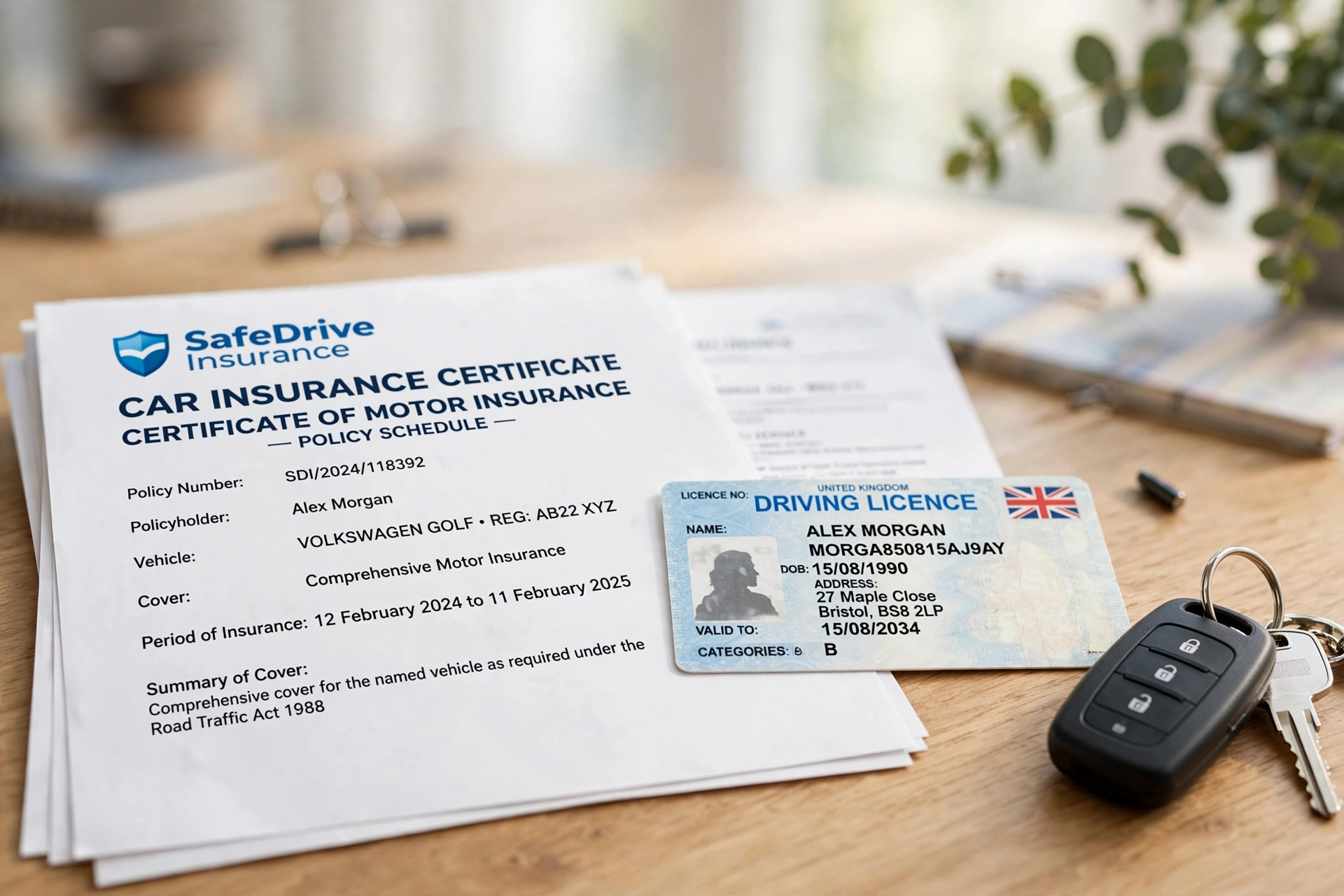
- If the learner drives the supervisor’s car: the learner must be added to the policy as a named driver, or take out a dedicated learner driver insurance policy. Note that a claim could affect the car owner’s no-claims discount — check with the provider first.
- If the learner drives their own car: they must be the registered keeper and hold their own insurance policy covering them as a learner driver.
- Watch the age small print: the legal minimum supervisor age is 21, but some insurers require the supervisor to be over 25. Always check the policy before the first session.
Driving without insurance is punished severely: a learner can face an unlimited fine, a driving ban, and up to eight penalty points.
Can You Be Paid for Supervising a Learner Driver?
No — and this surprises people. It is illegal to accept any payment for supervising a learner driver, including money for fuel. Only approved driving instructors (ADIs) and trainee instructors are legally allowed to charge for teaching someone to drive. If money changes hands, the supervisor could be treated as an unlicensed instructor.
What Happens If You Break the Supervision Rules?
The penalties fall mainly on the learner, which is why supervisors must take the rules seriously:
- Driving without proper supervision: a fine of up to £1,000 and up to six penalty points
- Driving without insurance: an unlimited fine, a driving ban, and up to eight penalty points
- Points earned on a provisional licence do not disappear — they transfer onto the full licence once the learner passes
In short: one careless practice session can haunt a new driver for years.
Tips for Being a Good Supervising Driver
- Plan the route in advance. Start with quiet roads and build up to busier junctions and roundabouts.
- Stay calm and give clear, early instructions. Shouting or grabbing the wheel (unless danger is imminent) destroys confidence.
- Don’t teach your own bad habits. If you’re unsure about a rule, check it together rather than guessing.
- Keep sessions focused. Short, regular practice beats occasional marathon drives.
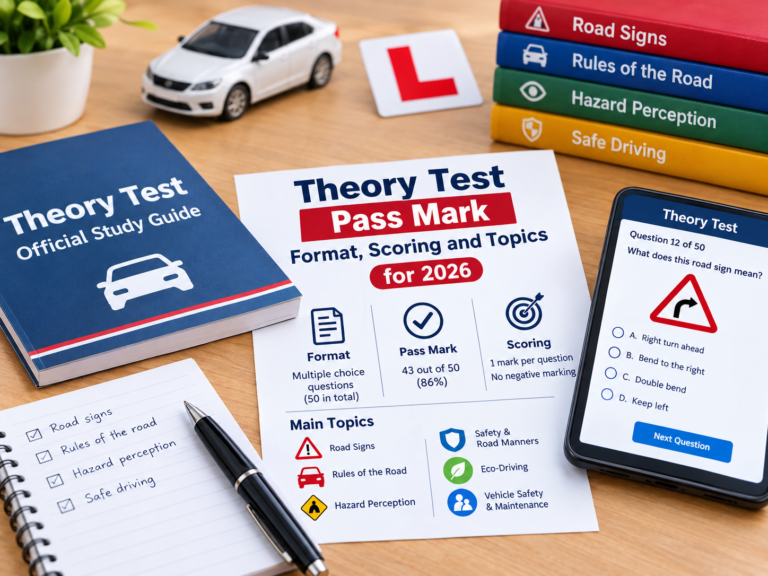
- Talk about the theory too. The learner must pass the theory test before booking the practical — so quizzing them on signs and rules during drives helps twice over.
- Vary the conditions. Night driving, rain, and different routes all build real-world competence (learners can drive at any time of day or night).
Conclusion
So, who can supervise a learner driver in the UK? Someone at least 21 years old, who has held the right full licence for at least three years, is not banned from driving, and follows the insurance, phone, and motorway rules to the letter. Private practice is one of the best ways to pass — the DVSA suggests around 22 hours of it alongside professional lessons — but only when it’s fully legal. Check the four eligibility rules, sort the insurance before the first drive, and when test day approaches, make sure you’re up to speed on the driving test booking rules.
One Comment