What Is a Clean Driving Licence in the UK?
A clean driving licence in the UK simply means a licence with no penalty points and no endorsements on your driving record. If you have ever been wondering what is a clean driving licence UK job adverts mean when they ask for one, the answer is exactly that — a record that shows you have no motoring offences on your licence.
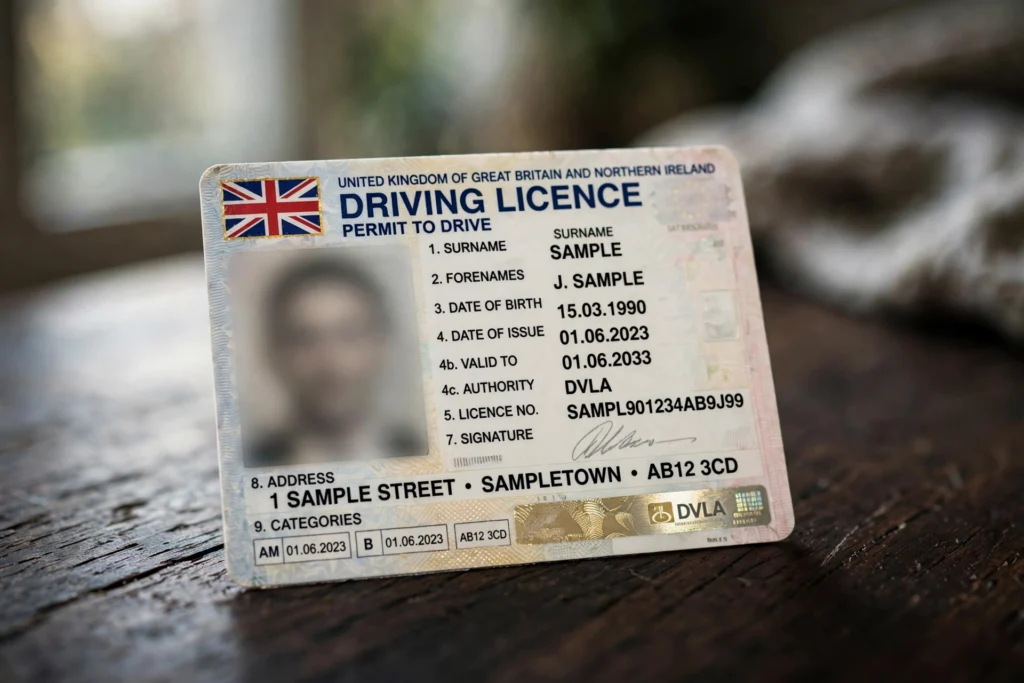
It is not a separate type of licence, and there is nothing printed on your photocard that says “clean”. The phrase describes the state of your driving record held by the DVLA. Most UK drivers have a clean licence, because most never commit a motoring offence. This guide explains what counts as “not clean”, why employers and car hire companies care, how to check your record, and how to keep it clean.
What Does a Clean Driving Licence Mean?
A clean driving licence means your DVLA driving record shows zero endorsements and zero penalty points. An endorsement is the official record of a motoring offence, and penalty points are the numbers attached to it — from 1 to 11 depending on how serious the offence was. When a court or a fixed penalty process endorses your record, your licence is no longer clean.
A clean licence does not mean you have never been caught in traffic or never had an accident. If no offence was recorded against your driving record, your licence stays clean. For example, being involved in a crash that was not your fault leaves no mark on your record.
What Counts as “Not Clean”?
Your licence stops being clean the moment any endorsement lands on your driving record. Common offences that make a licence unclean include:
- Speeding (SP30) — 3 to 6 points, stays on your record for 4 years
- Using a mobile phone while driving (CU80) — 3 to 6 points
- Driving without insurance (IN10) — 6 to 8 points
- Careless or dangerous driving — 3 to 11 points depending on severity
- Drink or drug driving (DR10, DR20) — 3 to 11 points, stays for 11 years
- Running a red light (TS10) — 3 points
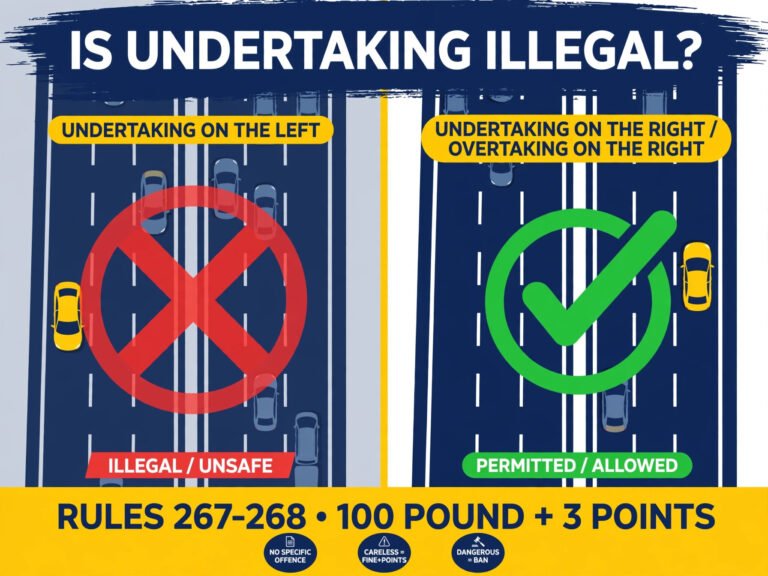
Each endorsement carries an offence code (like SP30 or DR10) that appears on your record. Once the points are removed from your record at the end of their period, your licence becomes clean again. You can read our full guide to how points and endorsements work.
How Long Do Points Stay on Your Record?
Endorsements stay on your driving record for 4 or 11 years depending on the offence, according to GOV.UK. In most cases, including speeding and using a phone, the endorsement stays for 4 years from the date of the offence.
More serious offences stay for 11 years from the date of conviction. These include drink and drug driving (DR10, DR20, DR30), causing death by careless driving while under the influence (CD40, CD50, CD60), and failing to provide a specimen (CD70).
There is also a “valid” period for totting-up purposes: points count towards a possible disqualification for the first 3 years of a 4-year endorsement, or the first 10 years of an 11-year endorsement. If you reach 12 or more points within 3 years, the court can disqualify you from driving under the “totting-up” system (code TT99 on your record).
Why Do Employers Ask for a Clean Driving Licence?
Many UK job adverts list “clean driving licence required” or “full clean driving licence essential”. Employers ask for this mainly for jobs where driving is part of the work — delivery drivers, taxi and minicab drivers, lorry and van drivers, care workers visiting patients, sales representatives, and field engineers.
The reasons are practical, not personal:
- Insurance costs — a company’s fleet insurance is cheaper when drivers have no endorsements
- Risk and trust — a clean record suggests the driver follows the law and drives safely
- Legal requirements — some licensed work, like taxis, requires a clean record by law
- Customer safety — employers want passengers and goods in safe hands
If a job asks for a clean licence, you should be honest. Employers can check your record by asking you to share a DVLA check code, and lying on an application can cost you the job later.
Do You Need a Clean Licence to Hire a Car?
Most car hire companies in the UK require a clean or nearly clean driving licence. Many rental firms refuse to hire to drivers with serious endorsements, and most set their own limits — commonly a maximum of 6 penalty points, though this varies by company and by vehicle type.
When you hire a car, the company usually asks you for a DVLA check code so they can view your driving record online. You can generate one through the GOV.UK view driving licence service. The code is valid for 21 days, and you will need your driving licence number, your National Insurance number, and the postcode on your licence. Our guide explains how to create a check code step by step.
How to Check If Your Licence Is Clean
You can check your own record for free at any time:
- Go to the GOV.UK view driving licence service.
- Enter your driving licence number, National Insurance number, and the postcode on your licence.
- View your driving record — it shows any penalty points, disqualifications, and when they will be removed.
If the record shows no endorsements and no points, your licence is clean. If you need to share it with an employer or a hire company, generate a check code on the same service and give them the code — they can view your record for 21 days.
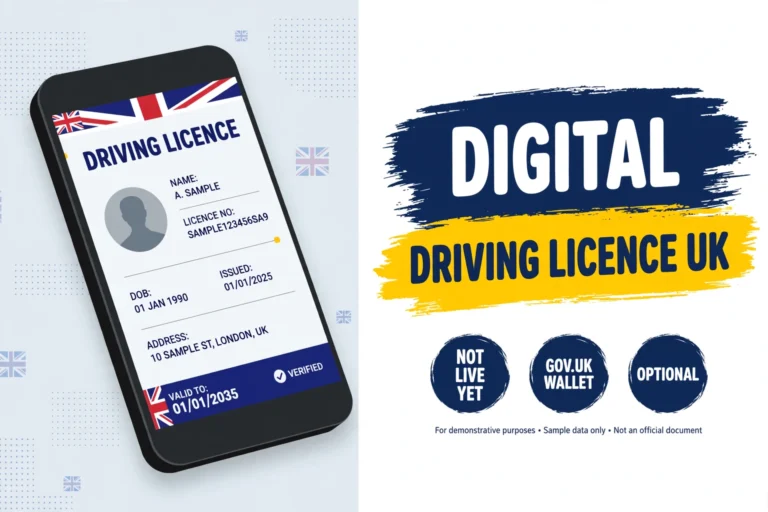
Not sure where to find your licence number on the photocard? Our guide to the driving licence number shows you exactly where to look.
The New Driver Rule: 6 Points in 2 Years
If you passed your driving test within the last 2 years, stricter rules apply. If you reach 6 or more penalty points within 2 years of passing your test, your licence is cancelled (revoked) — not just endorsed.
That can happen with just two speeding offences (3 points each). After revocation you must reapply for a provisional licence and retake both the theory and practical tests to get your full licence back. Any points you earned stay on your record. For new drivers, keeping a clean licence matters even more, because the margin is so small.
How to Keep Your Driving Licence Clean
There is no trick to it — a clean licence is simply the result of driving within the law. The habits that matter most:
- Watch your speed. Speeding is the most common reason UK drivers lose a clean licence. Check your speed regularly, especially in 20 mph and 30 mph zones where limits are easy to miss.
- Never use your phone behind the wheel. Even touching your phone can mean 6 points and a £200 fine — enough on its own to revoke a new driver’s licence.
- Keep your insurance and MOT valid. Driving uninsured (IN10) carries 6 to 8 points and can mean your car is seized.
- Never drink and drive. Drink driving endorsements stay on your record for 11 years and can disqualify you.
- Check your licence details are current. An expired photocard or wrong address won’t make your licence unclean, but keeping the DVLA informed avoids fines. See our guide to the DVLA and your driving licence.
How to Remove Points and Get a Clean Licence Again
You cannot pay or apply to remove penalty points early — there is no shortcut. Endorsements are removed from your driving record automatically once their period ends: 4 years from the offence date for most offences, or 11 years from conviction for drink and drug offences.
While you wait, the points stay on your record and insurers and employers may be able to see them. The practical steps are:
- Find out when your endorsements expire — check your record on the GOV.UK service to see the removal dates.
- Drive carefully in the meantime — more points risk totting-up disqualification at 12 points.
- Consider a speed awareness course — if offered for a speeding offence, it lets you avoid the points entirely (it is not available for all offences or repeat offenders).
- Wait it out — once the endorsement period ends, your record is clean again automatically.
Conclusion
A clean driving licence in the UK means no penalty points or endorsements on your DVLA driving record — nothing more, nothing less. Employers ask for it because it keeps their insurance down and proves you are a law-abiding driver. Hire companies use DVLA check codes to verify it before handing over the keys. Most endorsements, like speeding, leave your record after 4 years, while drink and drug offences stay for 11. New drivers face the tightest rule of all: 6 points in 2 years means losing the licence completely. Check your record free on GOV.UK any time, and keep it clean by driving within the law — there are no shortcuts, but the clock does reset.